

THE COFFEE TASTE GUIDE
More Body or More Clarity? Which Geimori Grinder Fits Your Taste?
A good grinder does more than make coffee finer. It can change how easy a coffee is to dial in, how its flavors come together, and how consistently you can repeat a cup you love. Here is how to think about five Geimori grinders—without turning personal taste into made-up scores.
Ready to find your fit? Match your brewing preferences with the right Geimori grinder, or explore all five models.
One person wants thick, chocolatey espresso that holds up in a cappuccino. Another wants an Ethiopian pour-over where the citrus, florals, and sweetness stay distinct. Neither person is wrong. But they probably should not shop for a grinder in exactly the same way.
Coffee flavor is personal. The flavor graphics in this guide use illustrative positions on a 6–9 scale, not laboratory measurements or controlled cup-test ratings. Use them as a visual starting point alongside burr design, brewing workflow, and tasting questions you can test with your own beans.
Start with the cup you enjoy, then explore how each grinder fits your setup. We also include individual owner experiences alongside their limitations.
First, five taste words worth knowing
Body: Does the coffee feel syrupy, creamy, or more tea-like?
Sweetness: Do you notice caramel, ripe fruit, or another natural sweetness?
Clarity: Can you pick out individual flavors, or do they arrive as one blended impression?
Acidity: Is the brightness juicy and pleasant, sharp, or barely noticeable?
Aftertaste: What stays with you after swallowing—and for how long?
These are descriptions, not universal measures of quality. More acidity is not automatically better; greater clarity is not always what you want in a milk drink.

START WITH YOUR CUP
What do you love most about coffee?
Two common preferences, not competing scores. The same coffee can taste different with beans, burrs, and recipes.
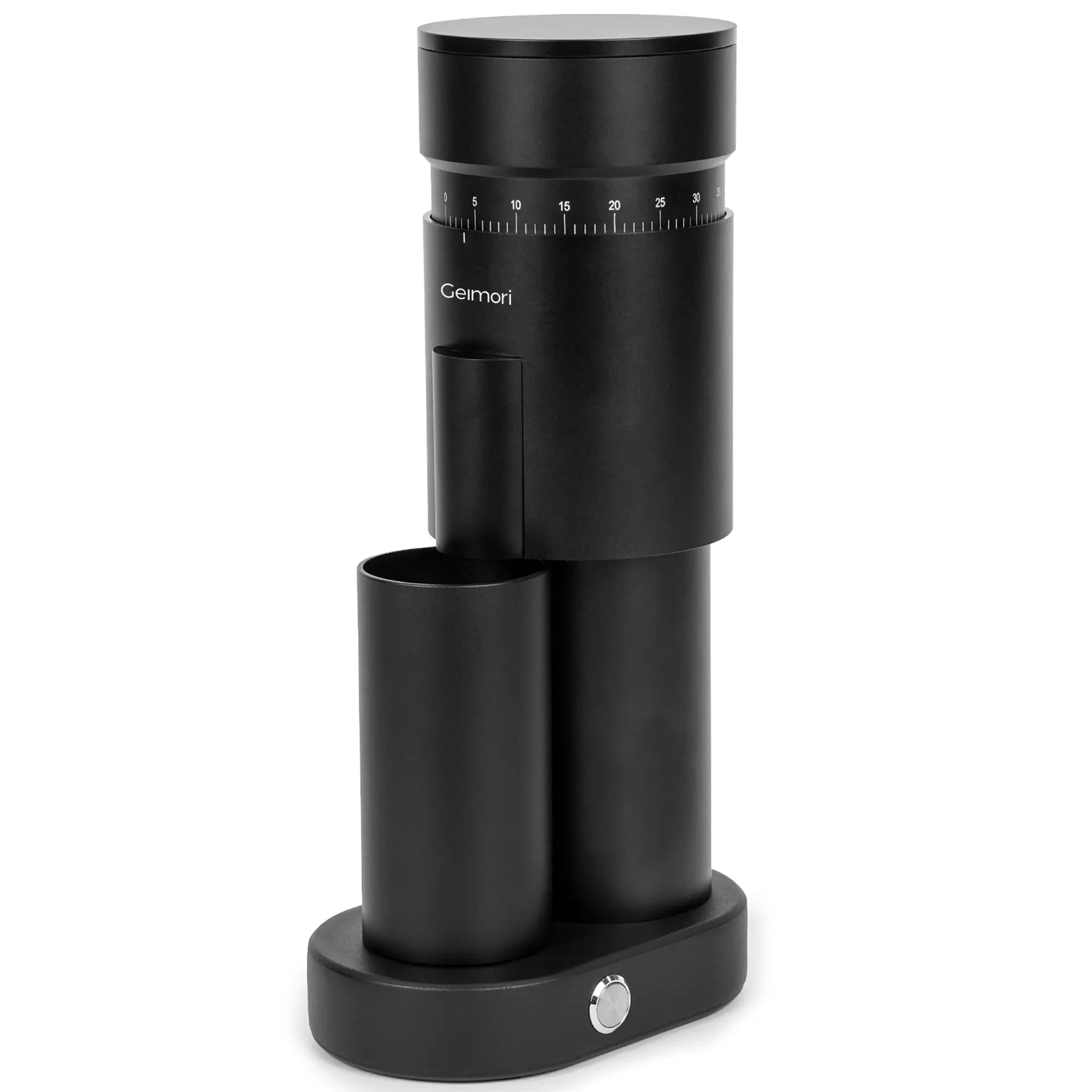
ESPRESSO & TEXTURE
Rounded, rich, satisfying.
Enjoy milk drinks or medium-roast espresso? Explore how a larger conical burr platform fits your routine.
Explore GU63 →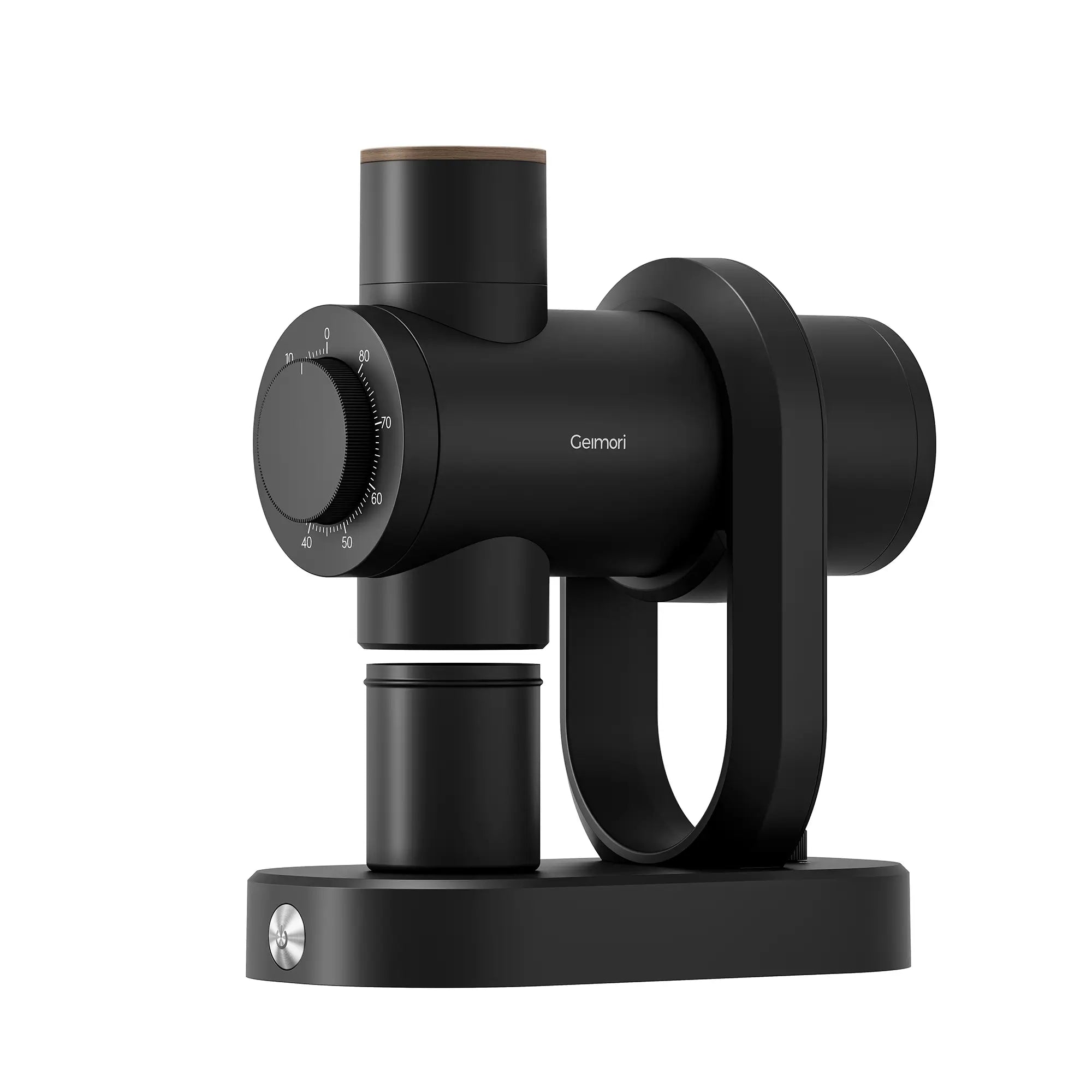
POUR-OVER & EXPLORATION
Distinct notes, more possibilities.
Enjoy exploring fruit notes and filter recipes? Consider a versatile flat-burr platform and its burr options.
Explore GU64 Gen2 →For a compact everyday grinder or cordless workflow, explore GU38, T38 Plus, and T38 Gen2 below. These are product starting points, not measured flavor rankings.
The visual cards below use official product photos and suggested tasting questions. Their coffee-cup illustrations do not represent measured scores or guarantees.
Meet the five grinders
 GU38
GU38 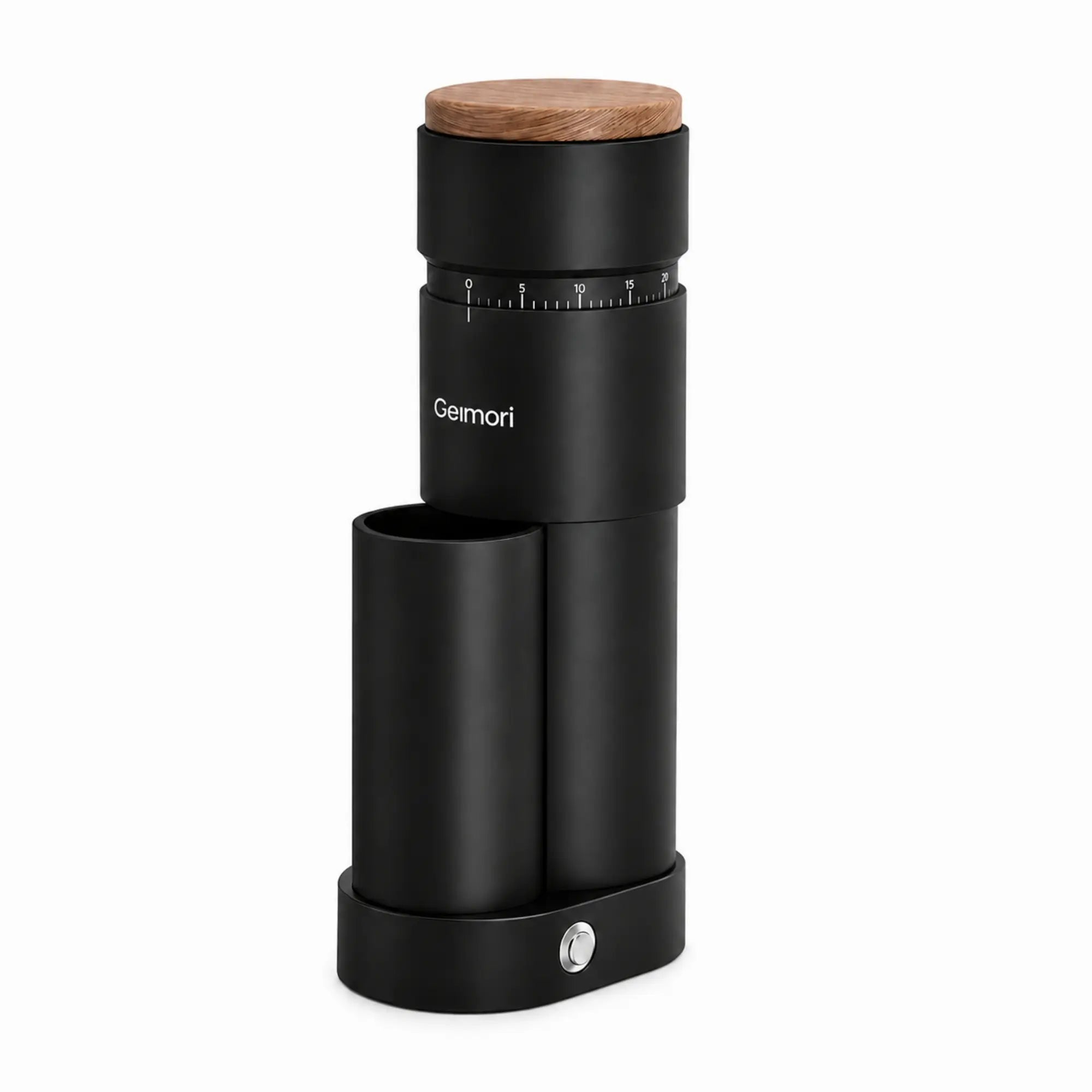 T38 Plus
  T38 Gen2
 GU63: for people who enjoy texture as much as flavor notes

If your idea of a great morning shot is something rounded and satisfying, the GU63 is a natural place to start. It uses a 63 mm conical burr set and an 80 RPM motor, with stepless adjustment and single dosing. Those are engineering choices, not a guarantee that every coffee will taste more chocolatey or sweet.
There is an encouraging real-world example. In a Reddit discussion about upgrading from a Breville Smart Grinder Pro, a buyer who preferred medium-to-dark roasts and milk drinks later reported fuller espresso body and more crema after choosing the GU63. That is one owner's experience, with a different grinder and setup—not a controlled A/B test.
Another GU63 owner discussed retention and feeding quirks. Those reports do not cancel out a good-tasting cup, but they are worth knowing if you care about how repeatable the daily routine feels.
What to try: Pull a medium-roast espresso, then pay attention to mouthfeel, sweetness and whether the shot still tastes pleasant as it cools.
ESPRESSO BODY & TEXTURE
Prefer rich, textured espresso?
See the GU63 platform, stepless adjustment and full product specifications.
GU64 Gen2: for the person who wants to explore clarity and choices

The GU64 Gen2 takes a different approach: 64 mm flat burrs, adjustable 800–1200 RPM and a quick-swap burr system. The offered multi-purpose and filter-focused burr configurations make its identity less about one fixed flavor and more about room to experiment. Those configurations are not a guarantee of a specific flavor.
An owner of the original GU64 described chasing the fruit clarity of an Ethiopian coffee after struggling to reproduce it with a previous setup. That is useful context for why someone might seek a flat-burr grinder, but the original GU64 is not the same as the Gen2 and that account should not be presented as a Gen2 cup test.
There are also early Gen2 discussion and owner observations around feeding, clogging and retention. Those matter because workflow can affect your ability to reproduce a recipe; they are not a numerical measure of cup clarity.
What to try: Brew a washed Ethiopian or another bright coffee. See if you can separate the fruit, acidity and finishing sweetness—not just decide whether the drink is stronger.
CLARITY & EXPLORATION
Want to explore flat-burr brewing?
Discover the GU64 Gen2 burr options, adjustment system and grind settings.
GU38: a practical choice for everyday filter and espresso

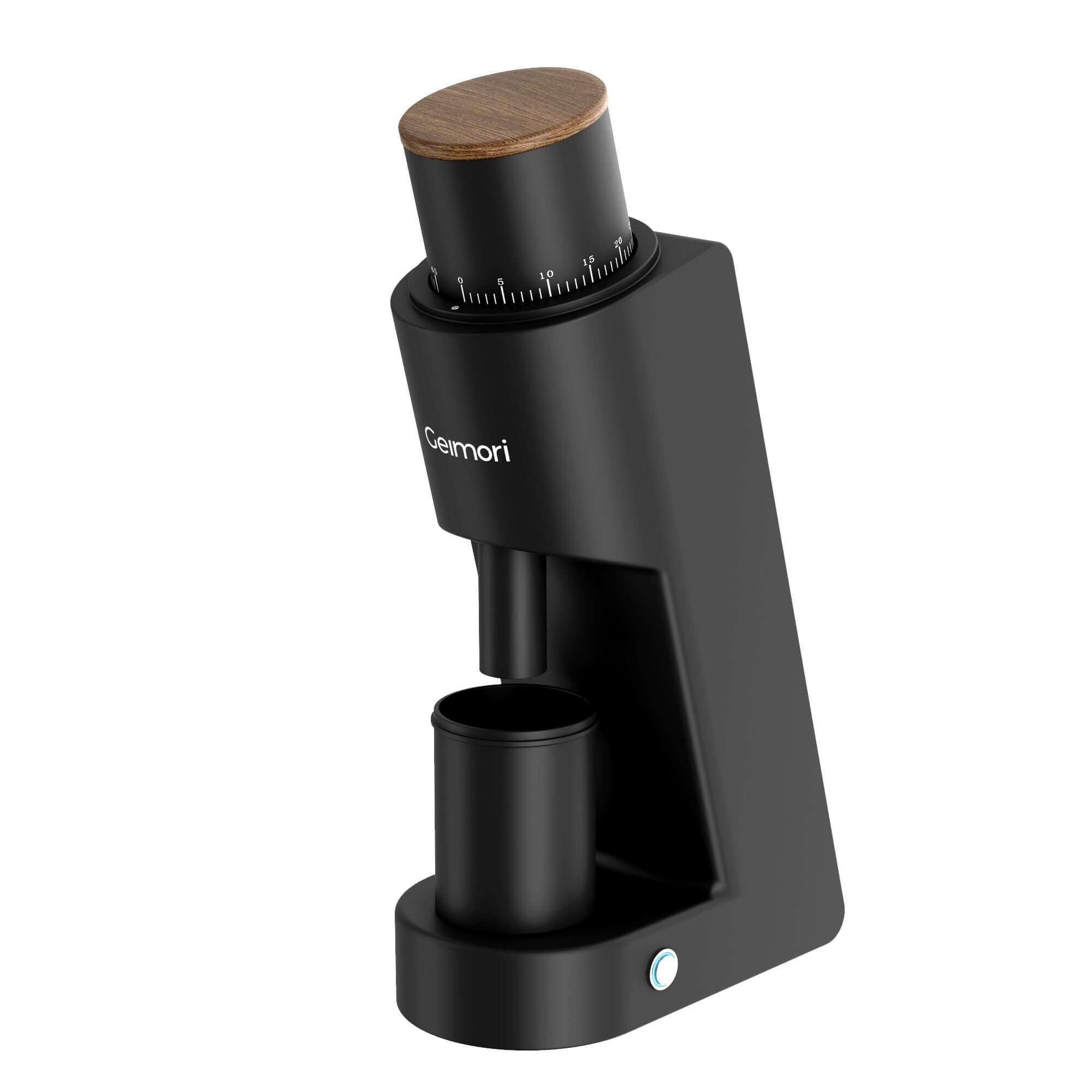
The GU38 uses 38 mm conical burrs in a slim metal-bodied home grinder. For somebody making pour-over on weekdays and espresso on weekends, a usable grind range and an easy routine may be more valuable than chasing the biggest burr number.
In a one-month ownership update on Reddit, one user said flavor notes were easier to pick out than with their previous Varia VS3. The same person also mentioned beans getting caught around the popcorn shield. Both details deserve to appear together: the cup can impress while a daily-use detail still needs attention.
What to try: Make a filter coffee you know well and see whether you can recognize the tasting notes on the bag. Then decide whether the grinder's size and workflow suit your everyday routine.
EVERYDAY BREWING
Looking for a slim, versatile setup?
Explore GU38 for a compact home station with filter and espresso possibilities.
T38 Plus: compact does not mean espresso is an afterthought

The T38 Plus is the plug-in choice for a smaller coffee station. Its 38 mm conical burrs and stepless adjustment cover espresso and filter settings, while the compact body makes it easier to fit beside an espresso machine or a kettle.
One T38 Plus owner on r/espresso praised its compact size, easy cleaning and ability to dial in espresso shots. For more practical context, GrindBrewDrink's hands-on video covers espresso and filter grinding. The video includes a promotional discount code, so it should be treated as a creator review rather than an independent blind taste study. In a separate October r/pourover discussion, a person who owned both the T38 Plus and GU63 preferred a similarly priced hand grinder for V60 flavor. That is one user's preference, not a controlled T38 Plus filter benchmark.
What to try: Make your usual espresso first. If you also brew filter coffee, pay attention to how comfortable you feel moving between grind settings and adjusting the recipe.
COMPACT ESPRESSO WORKFLOW
Short on counter space?
Check out a compact plug-in grinder for your daily espresso routine.
T38 Battery Gen2: cordless freedom, with taste testing still to come

The T38 Battery Gen2—the second-generation battery-powered T38—uses 38 mm conical burrs, stepless adjustment and a rechargeable battery system. It is designed for people who want freshly ground coffee at home, at work or away from an outlet.
As of October 2026, the model is listed for pre-order and independent owner tasting data for this exact version is still limited. Rather than assign an unverified flavor score, we suggest testing familiar recipes once the grinder is available.
What to try once available: Repeat one familiar espresso and one pour-over recipe across several days, then note grind consistency, dialing behavior and taste—not just battery life.
CORDLESS BREWING
Want fresh grinding away from an outlet?
Explore the battery-powered T38 Gen2 and the latest pre-order details.
A simple home taste test (no fancy scoring sheet required)
- Use one coffee you know. A medium roast is a friendly place to start, but use what you drink most.
- Keep the brew method and water consistent. For espresso, start with the same dose and beverage yield; adjust each grinder to a sensible extraction instead of forcing the same dial number.
- Make at least two rounds. One shot can be affected by puck preparation, temperature or channeling.
- Taste blind if you can. Ask someone else to label the cups, then compare body, sweetness, clarity, acidity and finish.
- Write words before numbers. "Juicy but a little sharp" is more useful than an unexplained 8.3/10.
If you are switching burr sets, roast levels or brew recipes at the same time, you are no longer isolating the grinder. That can still be a fun coffee experiment; just be clear about what you are comparing.
READY TO CHOOSE?
Choose your coffee experience. Find your grinder.
GU63 for a larger, low-speed conical platform. GU64 Gen2 for flat-burr flexibility. GU38 for slim everyday use. T38 Plus for compact plug-in grinding. T38 Gen2 for cordless convenience. These are starting points, not universal taste rankings.
Questions we hear about grinder flavor
Does the GU63 always make more body than GU64 Gen2?
No. Some conical burrs are associated with fuller texture, and certain flat burrs are designed for flavor separation. But specific burr geometry, beans and extraction determine what reaches the cup. We have not published a controlled GU63 versus GU64 Gen2 blind tasting.
Is higher clarity automatically better?
Not if you prefer a dense, rounded espresso or milk drinks. Taste the same beans and decide whether you want more distinct notes or a more integrated cup. Both are valid preferences.
Can I compare grinders using the same grind setting number?
No. Grinder dial numbers are not standardized across models. Start with the same dose, water, brew method and target beverage, then dial each grinder in separately to a sensible extraction before tasting blind.
A note about the evidence
We used current Geimori specifications and selected public Reddit owner accounts and creator videos as qualitative examples. An owner’s positive report is not a controlled taste comparison, and criticism of a workflow detail is not a measured defect rate. We have not run a five-grinder blind panel under identical conditions for this article. Both the wide comparison chart and the five individual flavor-profile images use illustrative editorial positions on a 6–9 scale—not measured performance rankings, validated flavor data, or guaranteed cup outcomes.
For the technical side, read our flat vs. conical burr guide. To see how three of these machines compare physically, visit our GU38 vs. GU63 vs. T38 Plus hands-on review explainer.
Know what matters most in your cup?
Take the next step and explore the Geimori grinder that suits your routine.
Explore Geimori Grinders →


