
Wirsh Coffee Journal · Practical Brewing Guide
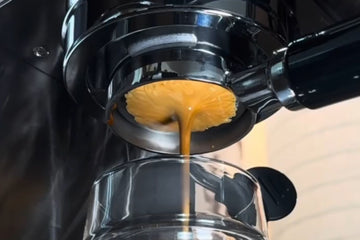
Pre-infusion wets the puck before full espresso brewing pressure. It can make shots easier to repeat in some setups—but it is not a guaranteed fix for channeling or a required step for every coffee.
What actually happens during pre-infusion?
Water enters the coffee bed at lower pressure or slower flow before the main extraction. The intent is to begin saturation and help the puck settle before stronger flow. Machines differ: some use pump control, some rely on a passive chamber, and others offer no pre-infusion feature at all.
When might it help?
- Dense or lightly roasted coffee: a gentle start can sometimes improve repeatability.
- Uneven puck wetting: it may reduce abrupt initial flow, but distribution and tamping still matter.
- Comparing recipes: if your machine supports it, testing a short pre-infusion against none may reveal a difference you can taste.
A simple at-home experiment
- Use one coffee, one dose and the same basket.
- Dial in the grind and target beverage weight first.
- Pull one shot without pre-infusion, then one with your machine's brief default setting.
- Record total shot time, yield, flavor and flow appearance.
- Choose the result you prefer; do not assume “longer is always better.”
What pre-infusion cannot fix
It does not repair poor coffee storage, a wildly unsuitable grind, serious distribution problems or dirty equipment. If a shot sprays or tastes uneven, check the channeling troubleshooting guide and change one variable at a time.
Some manufacturers count pre-infusion in the displayed shot time and others do not. Use the same timing convention during comparisons. Most importantly, choose pre-infusion because it improves your actual cup—not because the control exists.


