

Coffee Grinder Prices in 2026: What Buyers Are Getting for Their Money
Coffee grinder pricing in 2026 is being shaped by more than one factor. Manufacturing, logistics, and component costs continue to change, while new product designs are bringing more refined workflows and performance features into a wider range of price points. For buyers, the more useful question is not simply whether grinders are getting more expensive or less expensive - it is what each price point delivers today.
Market context and advertised pricing reviewed October 2026. Retail prices and promotions can change over time.
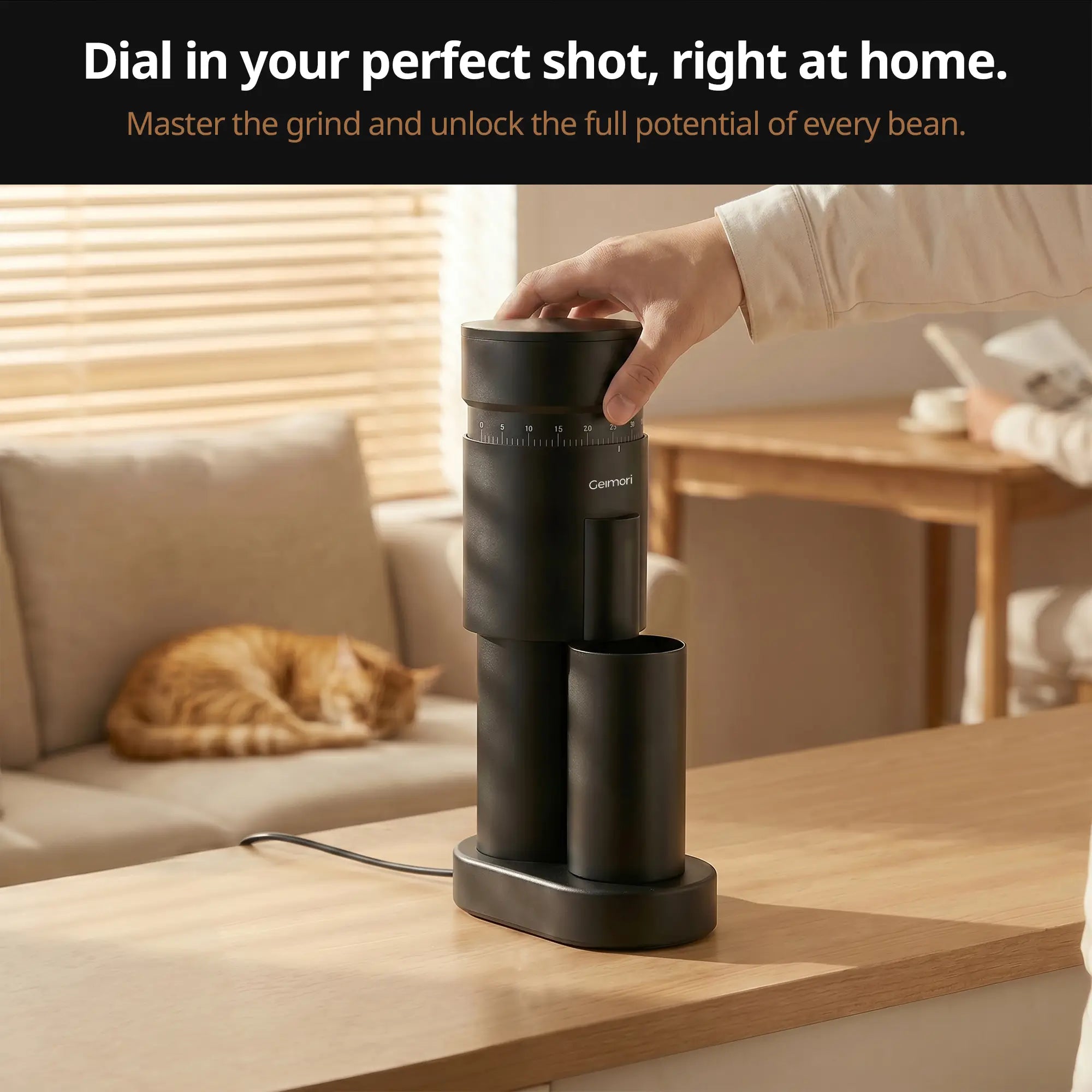
Why price alone tells less of the story
Coffee grinder prices are influenced by a mix of costs, engineering decisions, and market positioning.
Manufacturing and import costs remain dynamic. U.S. consumer and import-price data in 2026 show that the broader cost environment has not simply returned to pre-inflation conditions. Those figures do not translate directly into the price of any individual grinder, but they help explain why pricing can change as components, shipping, materials, and product generations change. BLS CPI - BLS import prices
At the same time, grinder design is improving quickly. Stepless adjustment, better static control, lower-retention workflows, easier cleaning, and more specialized burr systems are now available across a broader range of products.
Demand for better home coffee gear remains strong
The National Coffee Association's 2026 Fall survey found that 66% of U.S. adults had coffee in the past day. Specialty coffee reached a record 48%, and 47% of adults reported an espresso-based beverage in the previous week. Source: National Coffee Association
That continued interest in specialty coffee supports demand for better grinders. But buyers are also becoming more specific about what they want: some prioritize espresso repeatability, some want filter clarity, some want low retention, and others care most about a simple, low-maintenance workflow.
What different price bands tend to offer
| Typical price band | What buyers may increasingly see |
|---|---|
| Under $200 | Capable entry-level electric grinders, broader brew-method coverage, and increasingly refined adjustment systems. |
| $200-$300 | More specialized burr architectures, stronger single-dose workflows, better static control, and more premium construction choices. |
| $300-$500 | Enthusiast-focused burr platforms, more advanced motor or speed control, refined workflow design, and greater product specialization. |
| $500+ | More room for premium engineering, tighter tolerances, specialized burr systems, materials, service, and brand ecosystem. |
These are broad market observations rather than fixed rules. Product design, brand positioning, regional pricing, and promotions can create significant overlap between ranges.
Why moving up a price band should mean something
A higher price should ideally correspond to a clearer product choice - not just a bigger number. That difference may come from burr geometry, motor design, materials, machining, ease of maintenance, support, or a workflow built for a more specific type of coffee drinker.
Likewise, a lower price does not automatically mean a grinder is a compromise. A simpler product can be the better choice if its design matches how someone actually brews coffee.
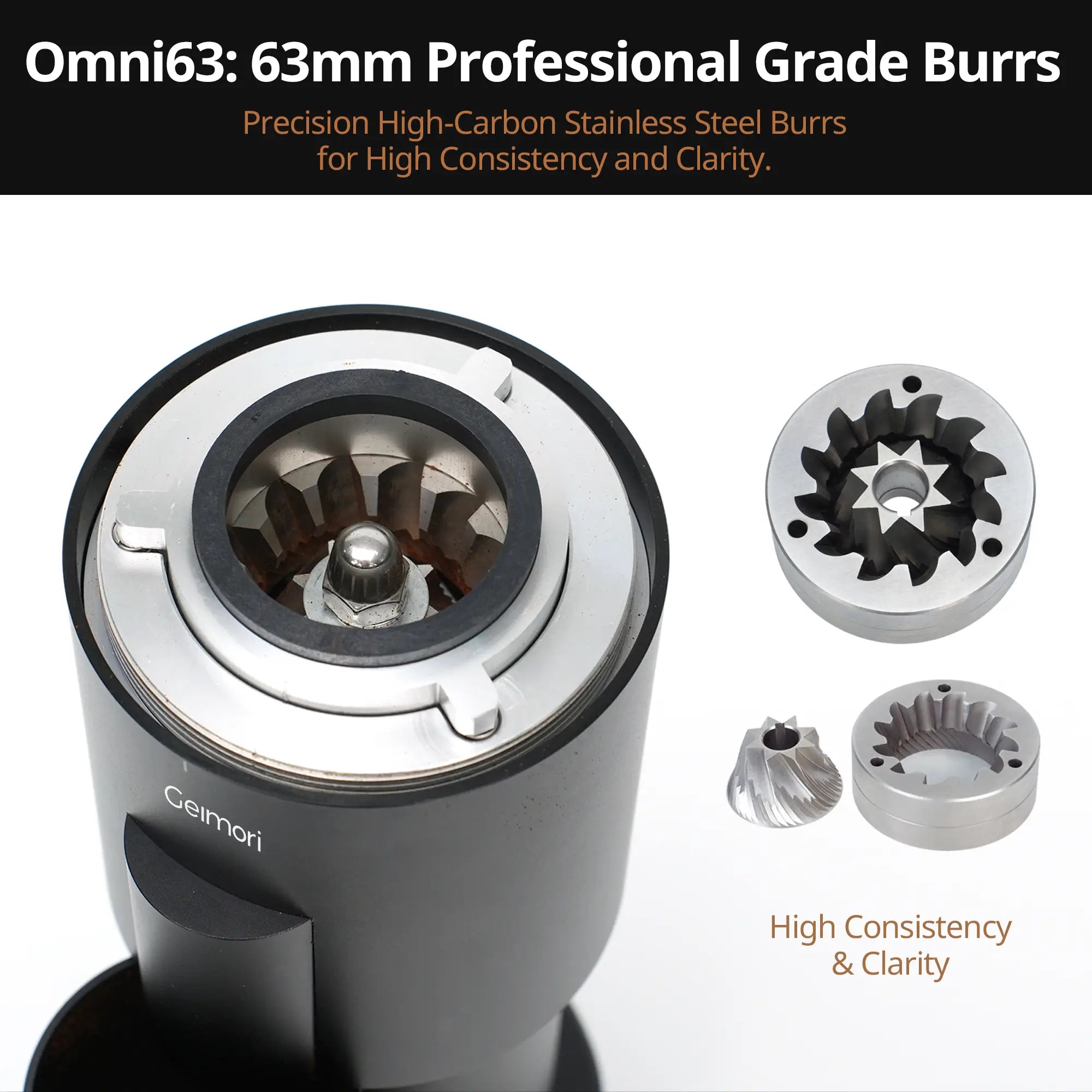
Burr size is only one part of value. Geometry, alignment, motor behavior, and workflow all influence the final experience.
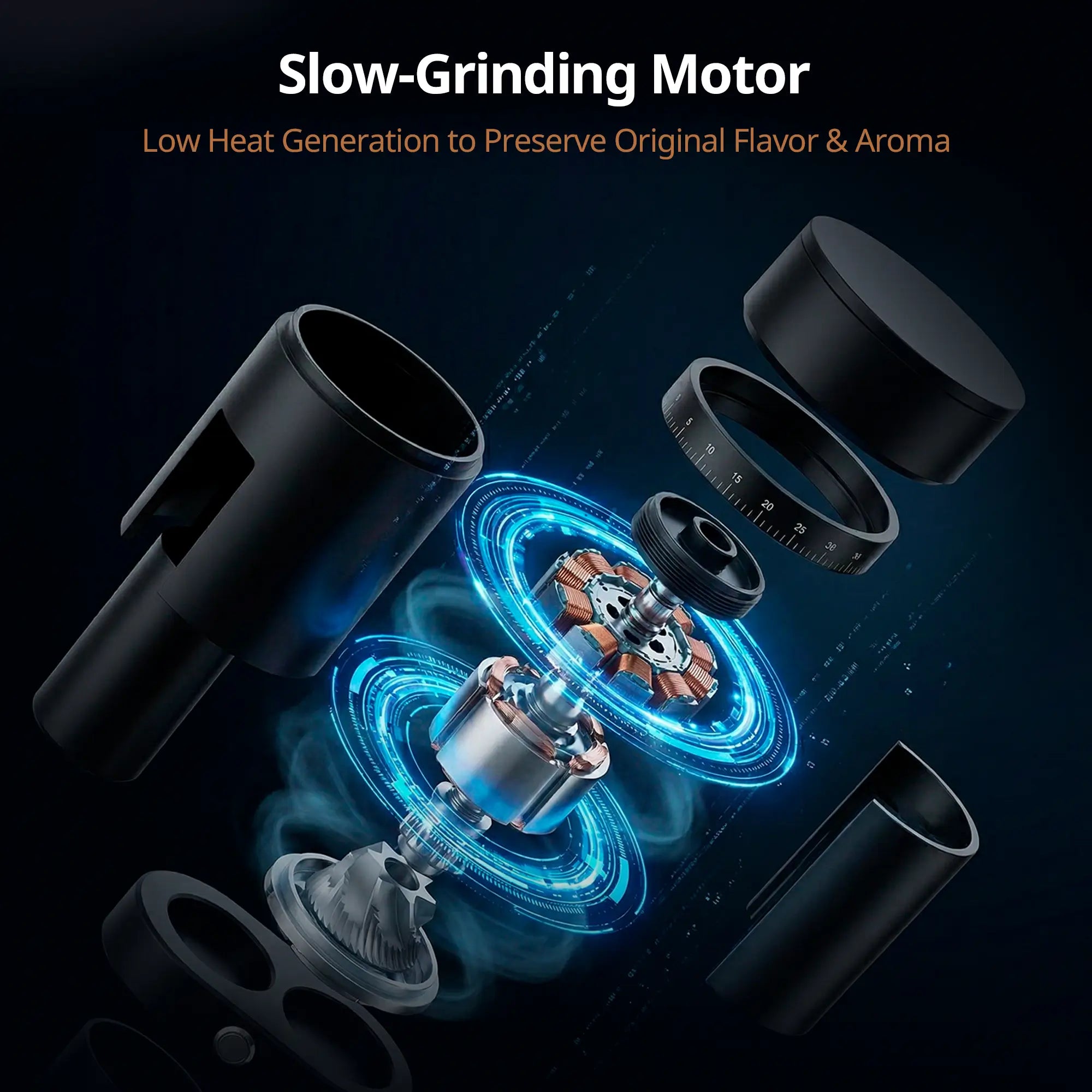
Motor speed, torque, heat management, and control strategy can matter more than a single wattage number.
The market is becoming more segmented, not simply cheaper or more expensive
Two grinders at similar prices may now be designed for very different users. One may emphasize a flat-burr profile, another a large conical burr, another convenience and automation, and another a compact all-round workflow.
This is why broad statements such as "grinders are getting cheaper" or "grinders are getting more expensive" can be misleading. The category is becoming more segmented, and pricing increasingly reflects different design priorities.
What does $200-$300 actually buy?
Compare four different grinder approaches in the same broad budget range without treating one specification as a universal winner.
What could change next?
Future grinder pricing will depend on several things at once: component costs, product updates, manufacturing choices, exchange rates, shipping, competition, and how much new functionality brands build into each generation.
That means it is more realistic to expect pricing to evolve by product and segment rather than move in one direction across the whole category.
| Price band | What may define value going forward |
|---|---|
| Under $200 | Ease of use, broad compatibility, and fewer obvious compromises. |
| $200-$300 | Clearer differentiation in burr style, materials, retention, and workflow. |
| $300-$500 | More specialized platforms, motor control, burr options, and enthusiast-focused design. |
| $500+ | Engineering detail, machining, premium materials, support, service, and brand ecosystem. |
How we think about pricing at Geimori
From a brand perspective, we do not think the goal should be to promise that prices never change - or to raise prices simply because the market moves.
Pricing should reflect what a product costs to build, how it is engineered, how it is supported, and what it delivers in actual use. As products evolve, pricing may evolve too. The important part is that the value behind that price remains clear.
What should buyers focus on?
Rather than trying to predict whether a grinder may cost a little more or less months from now, it is usually more useful to focus on fit:
- Does the burr style suit the coffee you drink?
- Is the adjustment system easy to repeat?
- How much maintenance does the workflow require?
- Do you mainly brew espresso, filter, or both?
- How important are noise, retention, and static control?
- How much do support, parts availability, and long-term ownership matter to you?
The strongest value is not always the lowest-priced grinder or the highest-spec grinder. It is the one whose design trade-offs match the way you actually make coffee.
Compare by architecture, not just budget
Burr shape, speed, retention, and workflow can matter as much as the price tag. Continue with the burr-architecture guide, or compare the current Geimori lineup directly.
Sources & methodology
- U.S. Bureau of Labor Statistics - Consumer Price Index
- U.S. Bureau of Labor Statistics - Import and Export Price Indexes
- National Coffee Association - 2026 National Coffee Data Trends
This article is intended as market context and product-education content, not a prediction or commitment regarding future pricing.


