
Coffee culture · Flavor experiments
A little extra-virgin olive oil in coffee sounds like a dare. The result can be surprisingly silky, but the flavor depends on the oil and how you mix it—not on a magic health claim.
Why did olive-oil coffee become a talking point?
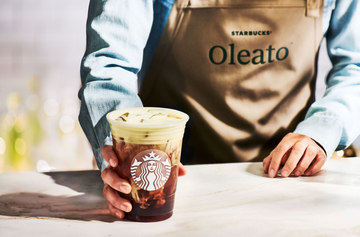
Starbucks introduced its Oleato range in 2023 and expanded it in 2024. The line mixed espresso-based drinks with extra-virgin olive oil, often using milk or foam to carry the oil.
That chapter is history rather than a current product recommendation: Starbucks phased the Oleato lineup out of its core menu in November 2024. You can still explore the flavor idea in your own kitchen.
What the oil actually changes
The biggest difference is mouthfeel. A small amount of oil can make a drink feel fuller or more coating; too much can leave a greasy layer. Good extra-virgin oil can also add peppery, grassy, or nutty notes that either complement or clash with the coffee.
Adding olive oil does not turn a sugary latte into a proven health treatment. It also adds calories. Think of this as a taste experiment, not a wellness shortcut.
Try a small cup first
Make one espresso or a small strong coffee. Mix ¼–½ teaspoon of extra-virgin olive oil into warm milk with a frother, then add the coffee. Taste before you add any more oil.
For an iced drink, emulsify the oil into milk or foam first rather than pouring it directly over cold coffee. If you dislike the mouthfeel, reduce the oil or skip it entirely.
Make your comparison meaningful
Try the same espresso as a plain latte and an oil-infused one. Keeping coffee and milk constant makes it much easier to tell what the oil contributes.


